What is CPM (Cost Per Mile)? Do You Know Your Cost Per Mile? A Driver’s Guide (Part I)
 By Sergio Avedian
I’ve been an Uber/Lyft driver for almost eleven years with over 11,000 trips under my belt. I have pretty much experienced everything while driving rideshare. One thing that has not changed for me is watching my bottom line like a hawk. Rideshare is not charity, nor is it public service. I treat it as my small business, and before I even accepted my first trip all those years ago, I figured out that the most important metric for me was CPM (Cost Per Mile).
For many Uber and Lyft drivers, the focus is often on one thing: earnings. Drivers frequently look at how much money went into their Uber/Lyft/DoorDash account during a shift without fully understanding how much it actually cost to generate that income. There is a difference between gross revenue and net profit! While earning $300 in a day may sound impressive, the real question is: how much of that money did you actually keep after expenses?
Drivers who know their true operating costs can make smarter decisions, protect their vehicles, and maximize long-term profitability. Drivers who ignore Cost Per Mile often find themselves driving excessive hours while unknowingly earning far less than they think.
What Is CPM (Cost Per Mile)?
Cost Per Mile is the amount it costs you to operate your vehicle for every mile driven while doing rideshare or delivery. It represents the total expenses associated with running your rideshare business. I know some of you may chuckle at this, but I urge all of you to think of yourselves as small business owners!
Your Cost Per Mile includes expenses such as:
- Fuel
- Oil changes
- Tires
- Brake replacements
- Maintenance and repairs
- Vehicle depreciation
- Car washes and cleaning
Every mile you drive creates wear and tear on your vehicle, even if you do not immediately feel the impact financially. Many of these costs accumulate slowly over time, making them easy for drivers to underestimate and overlook. Understanding this number gives drivers a much clearer picture of whether a trip is truly profitable.
How to Calculate Your Cost Per Mile
Calculating your Cost Per Mile is relatively simple. Start by adding together all your monthly vehicle-related expenses for your rideshare/delivery business. Then divide that total by the number of P1, P2, and P3 miles you drove for Uber, Lyft, DoorDash, etc.
For example:
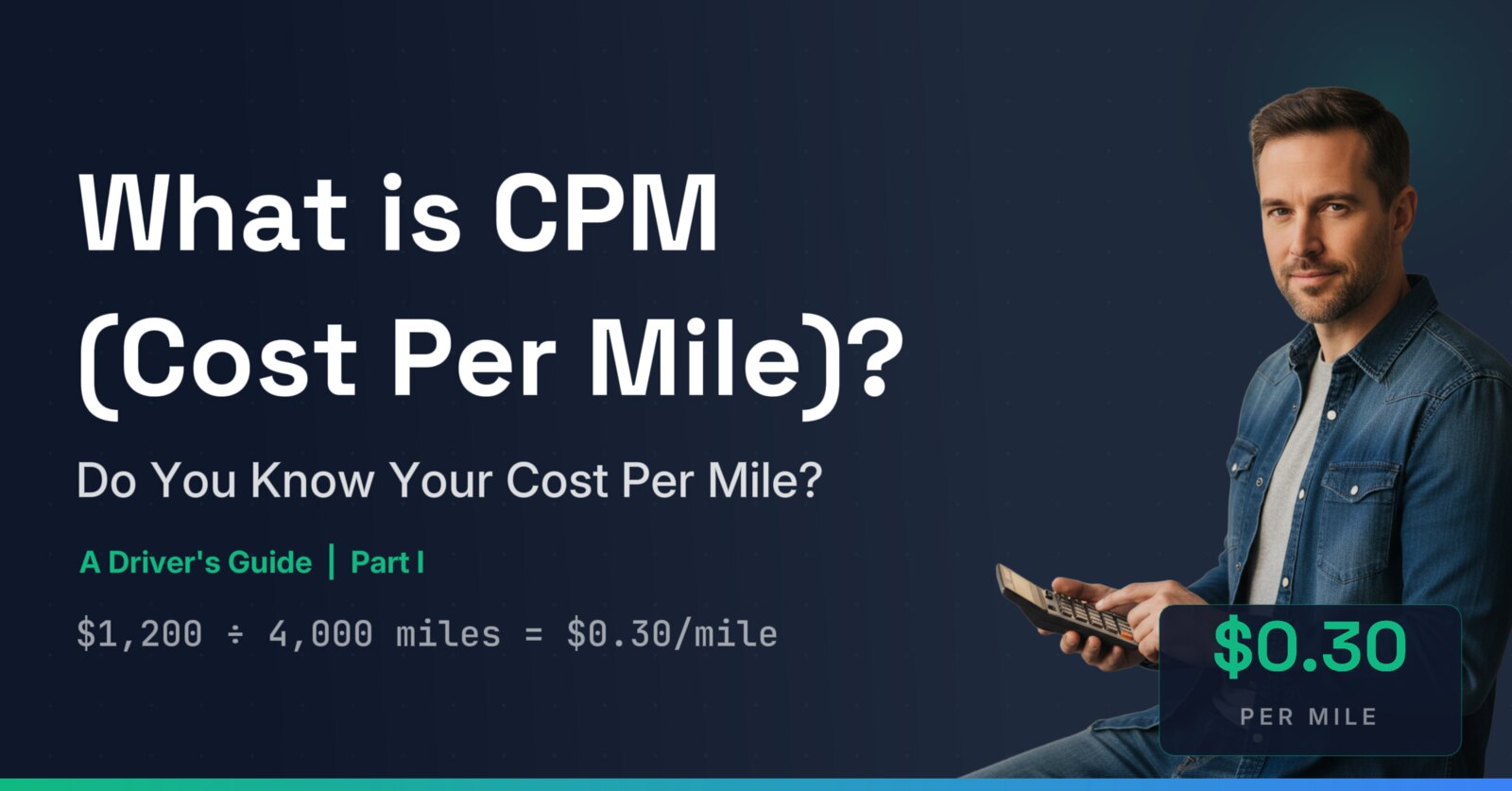
Monthly operating expenses: $1,200
Monthly miles driven: 4,000
$1,200 ÷ 4,000 = $0.30 per mile
That means every mile you drive during your shift costs you 30 cents before you even pay yourself. Once drivers understand this calculation, trip offers begin to look very different.
Mystro Launches a Free CPM Calculator
I am thrilled to present you with the free Mystro CPM (Cost Per Mile) Calculator. Just click the link and give this amazing tool a try. In Part II of this article, I will run my own CPM numbers for my new car.
Overall Mystro CPM Calculator Philosophy: Strong and Practical
Mystro’s calculator is built around a very specific question: “Does this next trip make financial sense?”
That’s fundamentally different from:
- tax accounting
- monthly budgeting
- or total ownership cost calculators
The calculator intentionally excludes fixed costs like:
- car payments
- insurance
- registration
- phone bills
Mystro argues those costs exist whether you drive 0 miles or 5,000 miles this month, so they shouldn’t determine whether an individual ride request is profitable. That is economically correct for trip acceptance decisions.
What the Calculator Does Extremely Well
It separates variable costs from fixed costs — and this is the calculator’s biggest strength.
Most online CPM calculators lump everything together:
- insurance
- finance or lease payments
- registration
- parking
- fuel
- depreciation
The Mystro CPM calculator instead isolates:
- fuel/charging
- frequent maintenance costs
- tire replacement
- depreciation
These are the costs that increase directly with every mile driven. That makes the tool far more actionable for rideshare and delivery driving.
How Mystro Helps Drivers Make Smarter Decisions
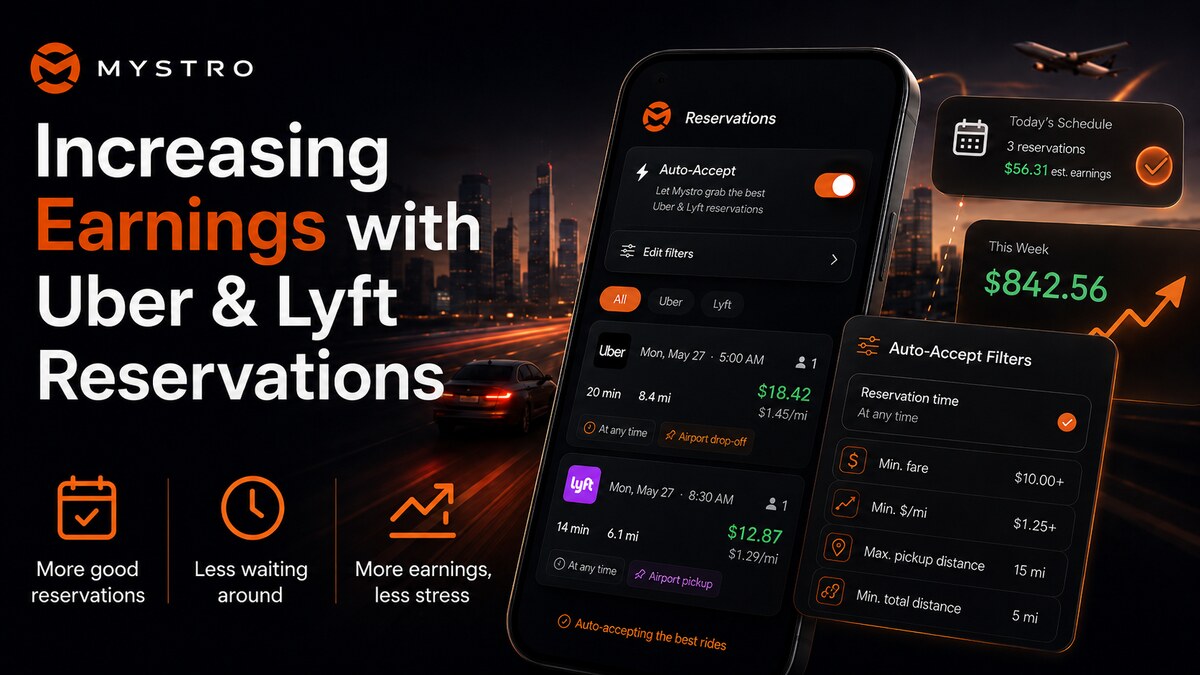
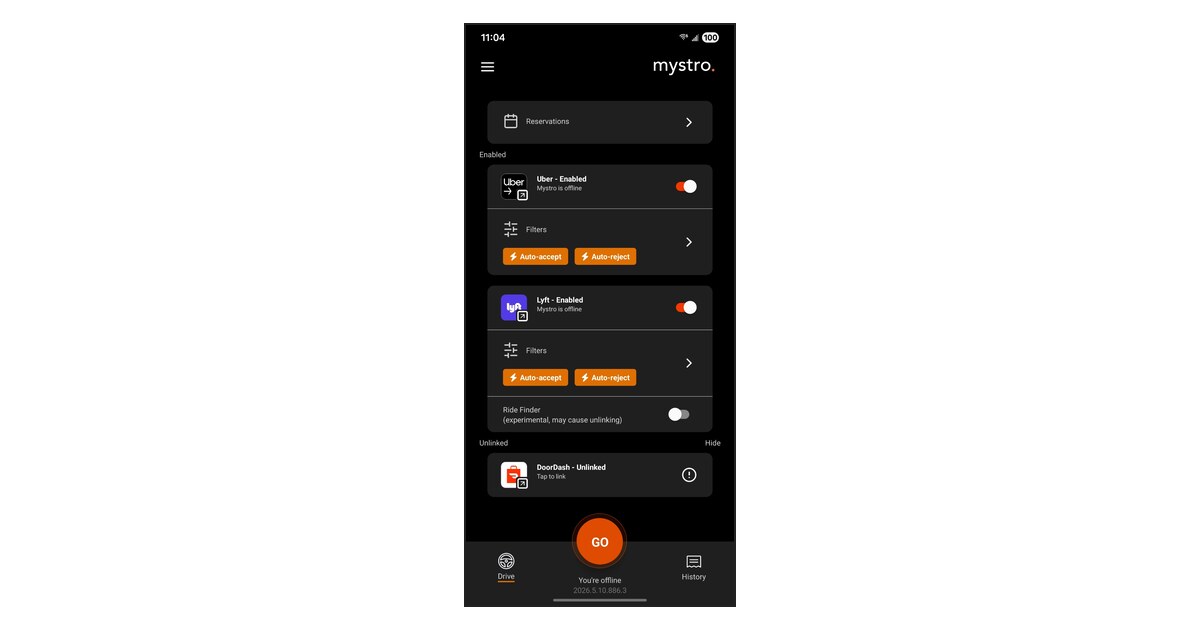
This is where Mystro becomes an incredibly valuable tool for rideshare drivers. Mystro helps Uber and Lyft drivers analyze incoming trip offers in real time so they can make smarter decisions before accepting rides.
One of the filters offered in the Mystro app is “Dollars Per Mile.” In the driver community there is a misconception that $1 a mile is great and those offers should be automatically accepted. Not so fast: $1 a mile is good for someone whose CPM may be 35 cents — not so much if one’s CPM is 65 cents!
Instead of blindly accepting every request, drivers can evaluate trips based on metrics that actually matter. Using Mystro, drivers can analyze and filter out inefficient rides that consume time, fuel, and vehicle life without generating sufficient returns.
Mystro helps drivers focus on quality over quantity — and on profitability.
Why Cost Per Mile Is the Most Important Metric
Many drivers make the mistake of accepting almost every trip request because they assume staying busy automatically means making money. In reality, not all trips are profitable.
Long pickups, heavy traffic, low-paying rides, and trips into low-demand areas can dramatically reduce profitability after expenses are considered.
This is why Cost Per Mile is arguably the single most important metric for rideshare drivers.
Instead of asking, “How much does this ride pay?” profitable drivers ask, “How much profit will remain after expenses?”
That shift in mindset changes everything. A $15 ride with a 10-mile pickup may actually be less profitable than a $6 ride with a 1-mile pickup.
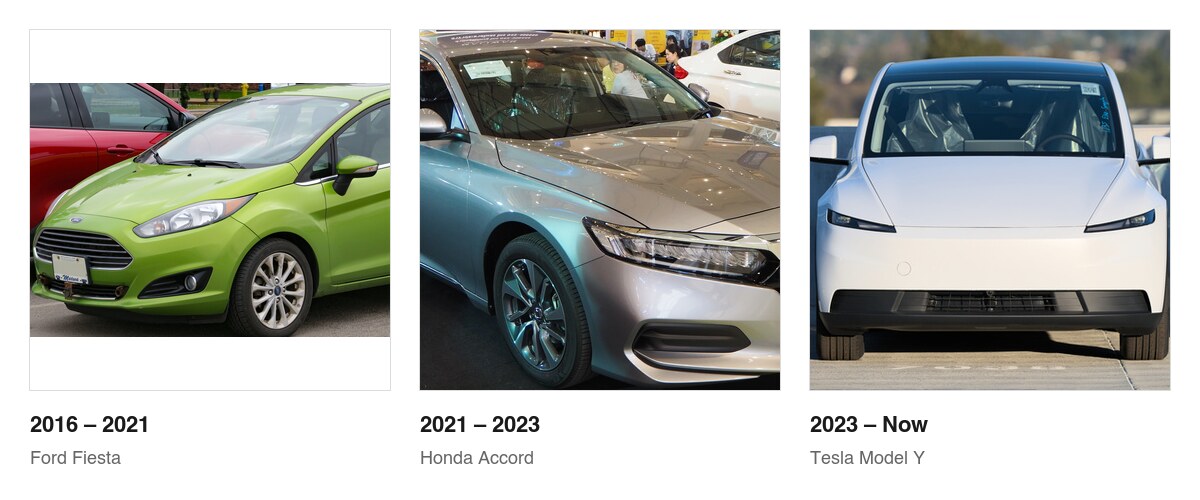
What I have learned over my 11,000 trips driving for Uber and Lyft is that the goal is not simply maximizing gross revenue. The goal is maximizing net profit.
Final Thoughts (Part I)
Rideshare driving is not just about generating revenue or cash flow. It is about operating your small business profitably. I can already hear some of you saying that you don’t have time to play games — rent is due, bills are due, you have to put food on the table. That is understandable, but you can achieve all those goals by being selective! I am a huge believer that what you put into something is totally related to what you get out of it. Aimlessly driving around guarantees two things: a trashed car with excessive miles, and a bad lower back!
Gross earnings may look impressive on screenshots or weekly summaries, but net profit is what actually pays the bills, builds savings, and creates long-term financial stability.
Understanding your Cost Per Mile gives you the ability to make data-driven decisions instead of emotional ones. The reason you use Mystro is because it helps remove the guesswork from trip selection and allows you to maximize profits while minimizing unnecessary wear and tear on your vehicle — and your body! Drivers who figure out their Cost Per Mile and combine that knowledge with tools like Mystro place themselves in a far stronger position for long-term success in the gig economy.
P1: App is on, waiting for trip offers.
P2: Have accepted an offer and are on the way to the pickup.
P3: Passenger in the car, on the way to the final destination.